History timeline
A coastline across changing signals
Northern coast lights evolved alongside shipping pressure, severe weather patterns, and long-term preservation work that reshaped how beacons were built and kept.
-
1805
First fixed coast beacon
A modest oil-lit tower at Stormwatch Point established the first reliable night marker for timber and grain routes entering the northern harbors.
-
1848
Lens modernization era
Fresnel optics replaced open flame housings, extending visibility offshore and reducing losses in fog-prone approach channels.
-
1893
Fog-signal coordination
A coordinated network of sirens and timed bell signals linked major towers, helping pilots identify headlands during low-visibility crossings.
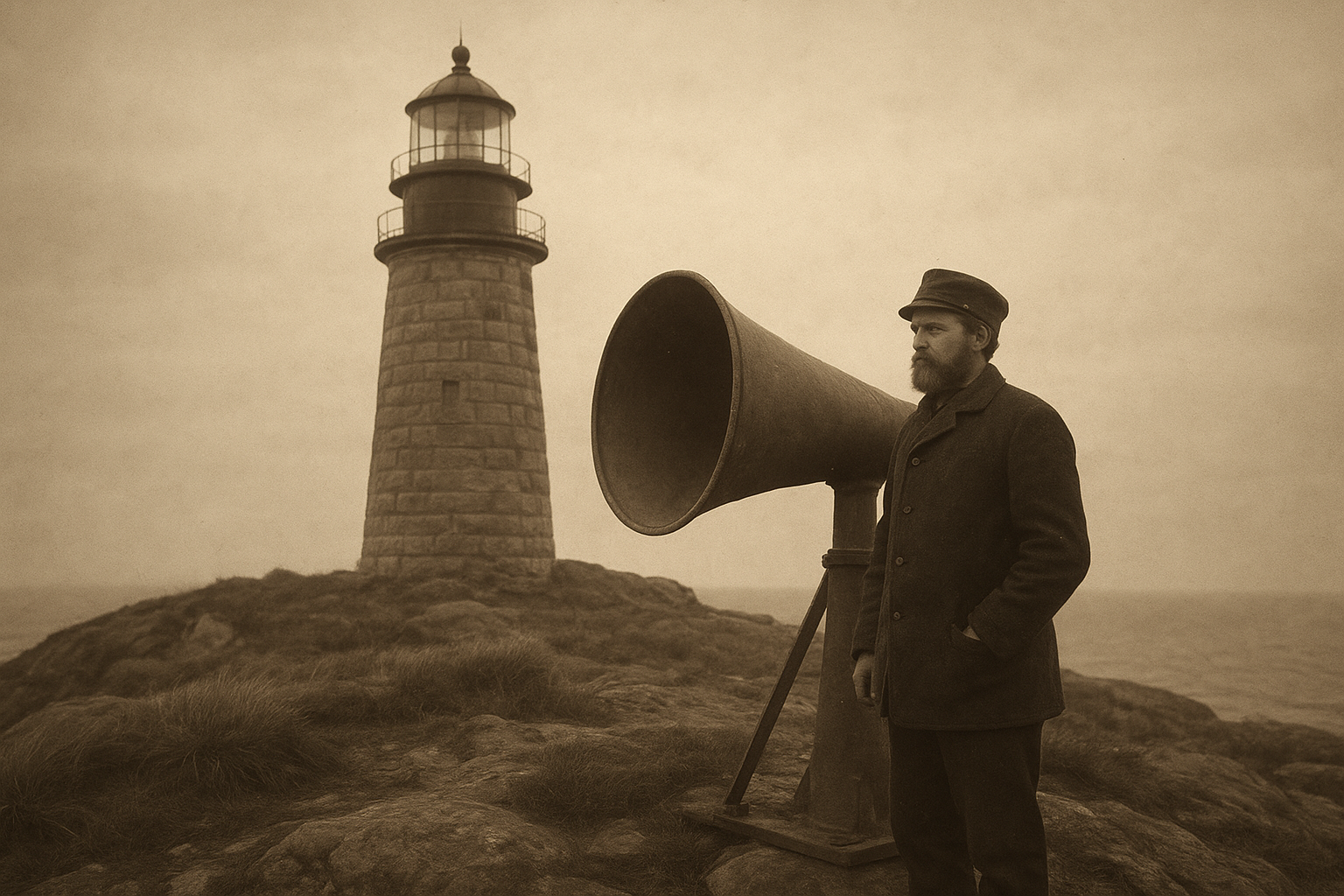
Inset archive: keeper maintenance of fog apparatus, late 19th century. -
1937
Electrification and remote alerts
Electric lamps and radio-linked reporting gradually reduced manual watch burden while improving storm response along exposed stretches.
-
1986–today
Preservation and public record
Decommissioned towers were documented, restored, and listed as heritage sites, shifting focus from active navigation to education and conservation.